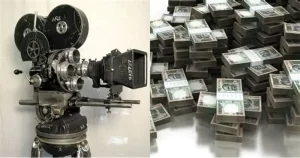
When “this is a rap!” Is called by the director. Many people think that the financial aspects of a film have ended to a great extent. The actors are in charge of their upcoming projects, spread the team, and the cameras are packed. However, the financial journey of a film has not ended. After the production ends, the money spent on a film does not sit around just doing nothing; It also leads to new stages, which is equally important for the success of the film. After the filming ends, the money flow continues for a long time, from post-production polish to marketing campaigns and profit distribution.
Production phase
Funds, which are often broadcast in post-production after the end of the film, spend rival production. This includes music scoring, sound mixing, editing and special effects. While an Indie film can increase its budget with a modest editing suit and royalty-free music, a large budget can spend millions on blockbuster visual impact or commission. In any case, the money is ahead, converts the disappointed video into a polish film that is ready to watch.
Marketing and Promotion: Money Magnet
Marketing turns a film into a profit if post-production makes it publicly accessible. The advertising campaign takes a significant part of the campaign studio budget, often crosses the cost of film making. These Mons pay for tourism, including artists, hoardings, merchandise tie-in, including web advertisements and trailers. The argument is straightforward: even the best-shot film can be a commercial failure if there is no audience. There is a strict marketing between a full film and revenue-generating tickets or streaming sales.
Distribution cost
After filming, there is another important cash distribution. Movie money pays to distributors, engages in streaming agreements, and purchases digital or physical copies for theaters. Finding a distributor can help decide short films whether they are shown only on festivals or have reached a broad audience. Meanwhile, large studios invest a lot on their films to guarantee that they appear online and online and appear.
Repayment and revenue collection
The financial cycle moves towards pebacks and benefits sharing as soon as the film starts generating revenue through box office receipts, streaming services, or sale of DVD/merchandise. A part of the profit is distributed to investors, production firms and sometimes profit-sharing contract artists. Before filtering, the distribution corporation also takes a large share, often as half of the box office receipts.
Residual and royalty
After the film’s first release, the money continues. Every time a film airs on television, it is sold on DVD, or released on a digital platform, actor, writer and directors can get residual compensation. For persons engaged, these payments can last for years and provide a stable source of money. Similarly, singing outside the film, musicians or musicians associated with Soundtrack may get royalty.
Last idea: trade behind magic
Rap Filming is the beginning of the financial journey of only one film; This is no conclusion. Long after the cameras rolled, a film in international advertising campaigns from the chamber, transfer of money spent in long returns, and providing long -term royalty distribution fees.

Understanding this process is important for both investors and filmmakers. It exposes a reality that is located under Hollywood glamor: making a film more than just telling stories; It also manages a complex and constant financial ecology.