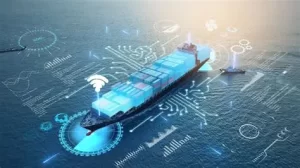
About 90% of the world’s goods are transported through the maritime region, which is the basis of international trade. Ships connect continents and economies with consumer devices powered by crude oil. However, the financial system is an important component that keeps this huge network operating smoothly. Shipping companies will find it difficult to cope with high operating costs, fuel prices and significant investments in vessels and equipment if they lack a solid financial structure.
Understanding finances in maritime transport
The shipping sector requires billions of dollars in annual investments, making it a capital-intensive business. The ship itself is an expensive property and hundreds of millions of dollars are sometimes spent on its construction and maintenance. In addition, the region is flexible to unexpected conditions such as fuel prices, ups and downs in fuel prices, transfer of rules and rapidly falling grain prices. Shipping companies rely heavily on financial systems to raise capital, control risks and ensure profitability for fruition.
In the shipping business, a financial system is a system of organizations, machinery and processes that control the movement of capital. In addition to financial instruments such as loans, bonds and hedging agreements, it also includes banks, insurance providers, leasing companies and investment companies.
Main functions of financial systems in maritime transport
1. Capital financing
Adequate capital expenditure is necessary for the purchase or construction of ships. The shipping company can resort to syndicated financing or leasing agreements to the financial system. For example, shipowners often use special marine banks who are aware of the cycles and dangers of the industry. These organizations provide the funds necessary to update or increase the fleet.

2. Risk control
The maritime sector faces many dangers, such as damage to cargo, theft and accidents. The financial system provides risk management tools, including fuel prices and up-and-down contracts in marine insurance. While coverage helps businesses keep expenses stable due to market instability, insurance provides financial security in the event of an accident.
3. Cash flow and working capital management
The daily operating cost of the shipping company includes fuel, port fees and crew pay. By offering equipment such as factoring services, small loans and trade credit, the financial sector guarantees stable cash flow. Any problem requires effective management of working capital to be able to move without ships.
4. After the rules and regulations
The distribution applies to the International Safety Standards of the International Maritime Organization (IMO). Installing scrubbers or running low on fuel are two expensive boat modifications that are often necessary to comply with regulations. The financial system helps businesses by providing green financing options or structured loans that ensure regulatory compliance without reducing cash reserves.
Challenges in maritime transport financing
If the financial system provides them with stability, they still face difficulties. Access to credit due to the 2008 global financial crisis, including the economic recession, is often disrupted. The cost burden is further reinforced by environmental regulations that force transportation companies to invest in green technology.
final thoughts
A langar that maintains the stability of international trade, the financial system of the shipping industry is much better than a support structure.

Despite its several obstacles, the shipping sector is capable of effectively functioning because the financial system, which provides capital, manages risks, ensures compliance, and facilitates transactions. Strong financial institutions will need to create a permanent and attractive future map as the sector turns into greenery technology and digital changes.