In today’s fast-paced world, even the simplest appliances are evolving rapidly and inverter fans are a prime example of this technological revolution. In the past, ceiling and table fans were simple mechanical devices: turn them on and they would run at a fixed speed. Today, thanks to smart technology and inverter systems, fans are no longer just a way to beat the heat: they are a combination of efficiency, intelligence and sustainability.
What makes an inverter fan different?
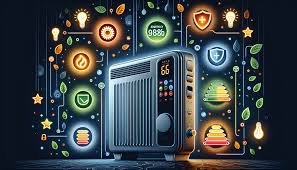
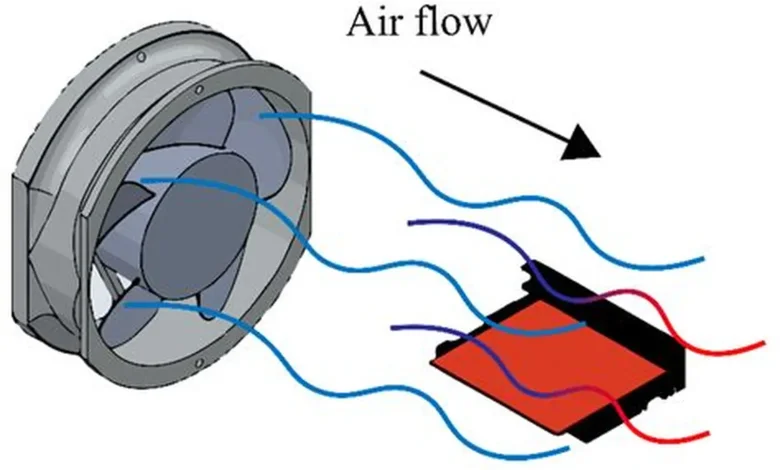
The main innovation behind inverter fans lies in the inverter technology. Unlike conventional fans that draw full power every time they are turned on, inverter fans use a variable voltage and frequency system to control the motor speed. This means that the fan adjusts its speed according to the ambient temperature or the user’s preferences, using only the energy it actually needs. The result is smoother airflow, quieter operation and significantly reduced electricity bills.
For energy-conscious homeowners, this is a game-changer. Studies suggest that inverter fans can save up to 50% of electricity compared to conventional fans. Over time, these savings not only reduce monthly costs but also contribute to a smaller carbon footprint, making inverter fans an environmentally friendly option.
Smart features in addition to energy efficiency
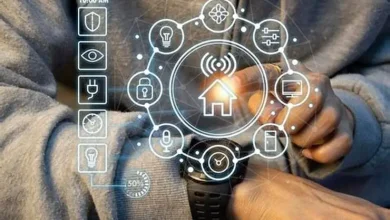
The technology in inverter fans goes beyond simple energy saving. Modern models are often equipped with smart sensors and IoT capabilities. For example, some fans can automatically adjust their speed based on the temperature or humidity in the room.

Others can be controlled via smartphone apps or home automation systems, which allow users to program operation, change speed or monitor energy consumption remotely.
This smart technology integration transforms a simple home appliance into a connected device, adding convenience and control to everyday life. For families, offices or commercial spaces, these features mean the fan can maintain an optimal environment without constant manual adjustments, creating comfort while remaining energy efficient.
Durability and maintenance benefits
Another often overlooked benefit of inverter technology among fans is reduced wear. Since the fan motor runs at variable speed instead of full speed all the time, the mechanical stress on the motor is significantly less. This not only increases the life of the fan but also reduces maintenance costs, offering a long-term investment in comfort and efficiency.
The future of refrigeration with technology
As technology advances, inverter fans are likely to become smarter and more integrated with other appliances. Features like AI-based climate control, predictive maintenance alerts, and energy optimization are already on the horizon, making these fans more than just a cooling source—they’re becoming an essential part of a smart, energy-conscious home ecosystem.
conclusion
Inverter fans show how innovation can turn a simple device into a high-tech, efficient and environmentally friendly solution. With their energy-saving capabilities, smart features, and long-lasting performance, they are quickly becoming indispensable in modern homes.

Investing in an inverter fan isn’t just about comfort – it’s about embracing technology to create a smart, sustainable way of living.