Soldering irons may also seem like sincere equipment (just a hot tip and a steady hand), but they are becoming imaginative, specialized, and effective devices used in everything from professional production to electronics maintenance to gift-giving. The advancement of the generation of soldering irons indicates how far we’ve come, whether or not you’re an engineer building prototypes or a hobbyist wandering around circuit forums.
A look back: the traditional welder
The conventional welder has been used for some years. These units typically heated a metal tip with a resistive heating source, allowing users to smooth the solder and surround the components. The basic models came with few safety factors and a hard and fast temperature. They have been useful, but lacked the potential, pace and handling that might now be common in today’s best versions.
1. Digital temperature control: precision at your fingertips
Digital temperature control is one of the most common improvements in modern soldering irons. Instead of relying on hunches or clean configurations, customers can now:
Use digital displays to set particular temperatures.
View real-time heating data.
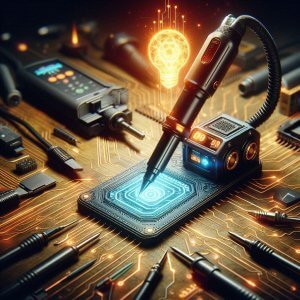
2. Smart sensors and auto sleep functions
Modern welders often have innovative sensors that indicate the use of the device. Many irons will automatically go into sleep mode at the same time as they are left idle, reducing the stop temperature to stop oxidation and store energy. To increase safety and extend the life of the lid, some even close after a long period of inactivity.
These features are especially valued in crowded workshops, where a forgotten hot iron can also endanger the chimney or appliance.
3. Ceramic and induction heating elements
Modern welders usually use the following additives for heating metal wires applied in traditional models:
Ceramic heaters for stronger temperatures and faster heating
Induction heating for overall electricity performance and short answer.
4. Models that can be powered by USB and transportable
Soldering irons today are available in portable and USB-powered models thanks to technological innovations. These are ideal for wandering around remote locations or for maintenance during a move. However, many wearable patterns have features like wireless temperature tracking, customizable warm temperature, and digital displays despite their short duration.
Conclusion: from tool to technological marvel
From their humble beginnings, welders have advanced remarkably. The traditional soldering iron has become a main tool in every professional and hobbyist toolkit thanks to improvements such as digital control, smart sensors, rapid heat generation and wireless connection.
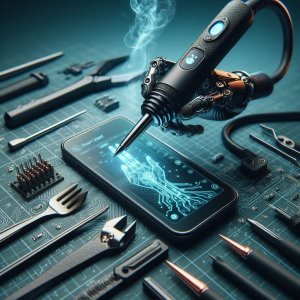
The era for your soldering iron is making your paintings extra solid, quicker, and more precise, whether or not or now not you are assembling a prototype, solving a cellular telephone, or building a drone. It is now extra vital to melt metal intelligently instead of clearly melting it.